
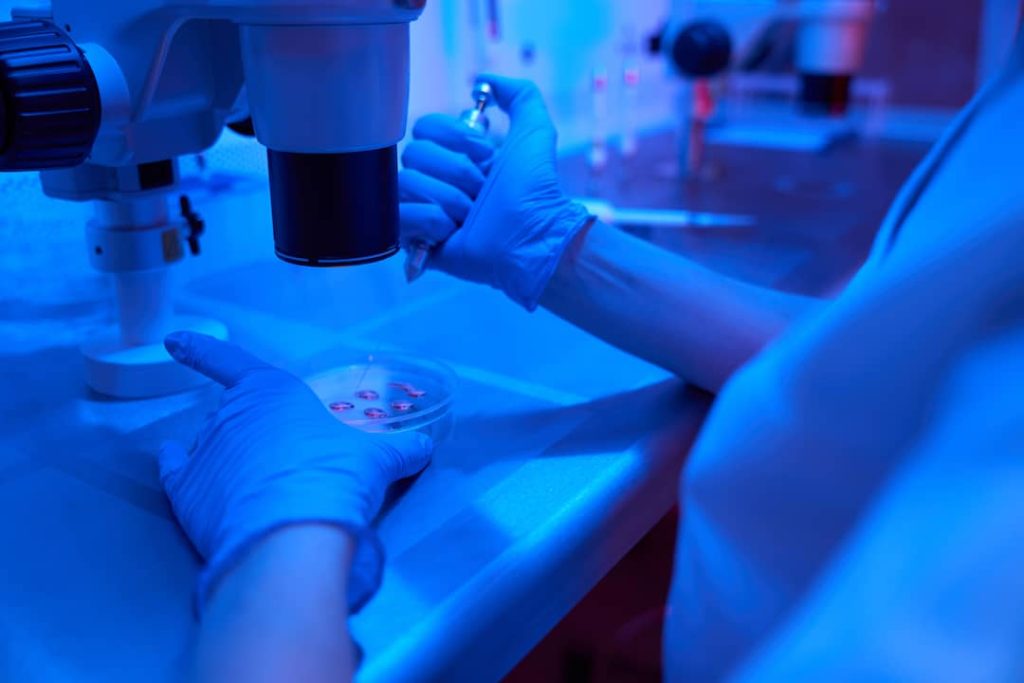
Cancer Genetics and Genomics
Our research in Cancer Genetics and Genomics aims to unravel the molecular foundations of cancer by exploring how genetic and genomic alterations drive tumor initiation, progression, and response to therapy. Cancer arises from the accumulation of genetic mutations and epigenetic changes that disrupt normal cellular regulation. By studying these changes at the DNA, RNA, and chromatin levels, we seek to uncover the mechanisms that transform healthy cells into malignant ones and to identify new opportunities for early detection, targeted intervention, and personalized treatment.
At the center of our work is the use of genome-wide technologies—including whole-genome sequencing, transcriptomics, and single-cell profiling—to systematically chart the landscape of cancer-associated mutations, copy number alterations, and structural rearrangements. Through integrative computational analyses, we decode complex tumor genomes to distinguish driver mutations from passenger changes, identify novel cancer genes, and reconstruct the evolutionary history of tumor development.
Our studies extend across a variety of cancer types, with a focus on understanding how genetic heterogeneity contributes to differences in tumor behavior and therapeutic resistance. We are particularly interested in the interplay between somatic mutations, gene regulation, and the tumor microenvironment—factors that together shape disease outcomes and influence how tumors evolve under selective pressures such as immune surveillance and treatment.
Beyond basic discovery, our lab is committed to translating genomic insights into clinical impact. We collaborate closely with clinicians and data scientists to connect genomic profiles with patient outcomes, develop biomarkers that guide treatment decisions, and explore novel therapeutic strategies that target the genetic vulnerabilities of cancer cells. By linking molecular alterations to disease phenotypes, we aim to enable more precise, predictive, and personalized approaches to cancer care.
Our research also contributes to broader efforts in cancer data science and population genomics, integrating large-scale datasets to reveal patterns of risk, recurrence, and resistance across diverse patient cohorts. Through these efforts, we hope to deepen our understanding of the genetic architecture of cancer and to inform strategies that improve prevention, diagnosis, and therapy.
Ultimately, our work in Cancer Genetics and Genomics seeks to illuminate the biological principles that underlie tumorigenesis and to transform those discoveries into actionable knowledge. By combining advanced genomic technologies, computational modeling, and translational partnerships, we strive to uncover the molecular signatures that define each cancer—and to move closer to a future where every patient’s treatment is guided by the unique genetic makeup of their disease.